[ad_1]

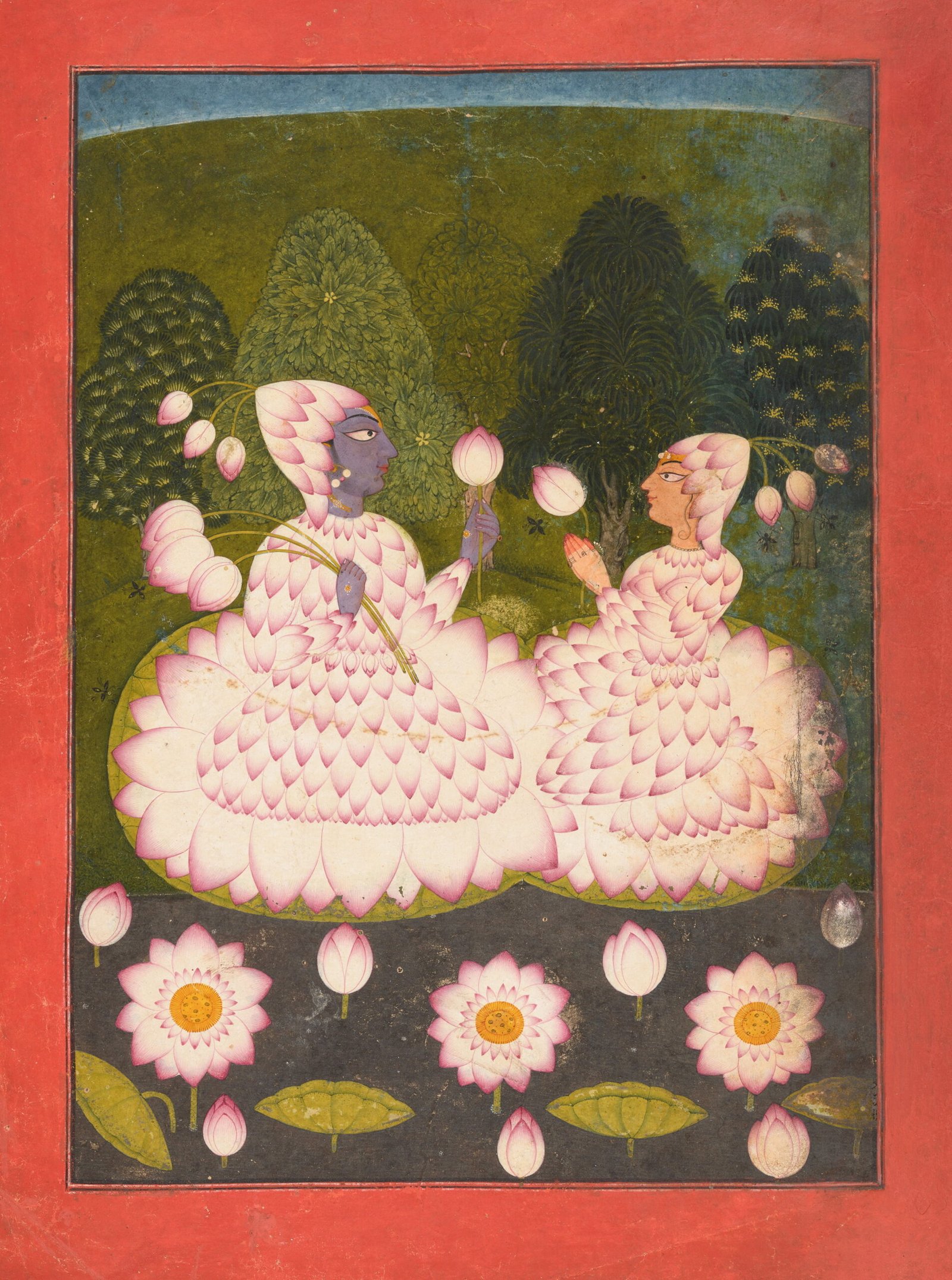
More than 200 works tracing 1,500 years of artistic interpretations of Vishnu will go on display at the Art Gallery of New South Wales this June, as the institution prepares to open its most extensive presentation of South and Southeast Asian art in more than two decades.
Titled Avatar: Forms of Vishnu, the exhibition brings together ancient sculptures, paintings, textiles, photography and contemporary installations from collections across Asia, Europe and Australia. It is also the first exhibition in Australia dedicated to Vishnu, one of Hinduism’s principal deities.
Opening on 20 June, the exhibition examines how generations of artists across South and Southeast Asia have interpreted Vishnu and his avatars through shifting cultural, political and spiritual contexts. The show includes loans from major institutions including the British Museum, Ashmolean Museum and the National Museum of Cambodia, with several works travelling to Australia for the first time.
Gallery director Maud Page described the exhibition as one of the institution’s most ambitious recent projects, pointing to its scale and the breadth of storytelling represented across centuries of artistic practice.
“Through Avatar, we open a deeper way of seeing and understanding this rich and captivating subject,” she said.
The exhibition has been curated by senior curator of Asian art Melanie Eastburn alongside Chaitanya Sambrani from the Australian National University. Both say the project was shaped with an awareness that Vishnu’s stories remain central to the lives and beliefs of millions of people today, while also continuing to inspire contemporary artistic practice.
Within Hindu traditions, Vishnu is regarded as the preserver of cosmic order, appearing in different forms to restore balance during periods of turmoil. The exhibition follows these transformations through figures including Matsya the fish, Narasimha the man-lion, Krishna and Rama, as well as Mohini, Vishnu’s female avatar.
Among the historical highlights are rare illustrated pages from early Ramayana and Mahabharata manuscripts created during the reign of Mughal Emperor Akbar in the late 16th century. Their inclusion reflects the exchanges between Islamic court culture and Hindu mythology during that period.
Other works include a sixth-century Cambodian sculpture depicting Krishna lifting Mount Govardhana and a recently restored seventh-century Cambodian sculpture representing Vishnu’s horse-headed avatar, appearing publicly in Australia for the first time.
Contemporary artists feature strongly throughout the exhibition. New commissions include large-scale paintings by Desmond Lazaro inspired by the Hindu creation story known as the Churning of the Ocean of Milk, alongside an intricate lace installation by Sumakshi Singh exploring the story of Narasimha. Singh is among the artists representing India at this year’s Venice Biennale.
Artists including Nalini Malani, Pushpamala N, Gulammohammed Sheikh and Jumaadi also feature in the exhibition.
Eastburn said the stories surrounding Vishnu’s avatars have long existed across multiple forms of expression, from devotion and philosophy to theatre and popular storytelling.
Sambrani added that artists working with these narratives have often used them to explore emotional, ethical and political questions relevant to their own societies and historical moments.
The exhibition arrives as Australian galleries and museums continue expanding their engagement with Asian art and diasporic audiences. Institutions across the country have faced growing calls in recent years for broader representation of non-Western art histories within major programming, alongside deeper collaboration with communities connected to the works on display.
Avatar: Forms of Vishnu runs at the Art Gallery of New South Wales from 20 June until October 2026. Tickets are now on sale.
Support independent community journalism. Support The Indian Sun.

Follow The Indian Sun on X | Instagram | Facebook
Post Views: 33

Support Independent Community Journalism
Dear Reader,
The Indian Sun exists for one reason: to tell stories that might otherwise go unheard.
We report on local councils, state politics, small businesses and cultural festivals. We focus on the Indian diaspora and the wider multicultural community with care, balance and accountability. We publish in print and online, send regular newsletters and produce video content. We also run media training programs to help community organisations share their own stories.
We operate independently.
Community journalism does not have the backing of large media corporations. Advertising revenue fluctuates. Platform algorithms change. Costs continue to rise. Yet the need for credible, grounded reporting in a multicultural Australia has never been greater.
When you support The Indian Sun, you support:
• Independent reporting on issues affecting migrant communities
• Coverage of local and state decisions that shape daily life
• A platform for small businesses and community groups
• Media training that builds skills within the community
• Journalism accountable to readers
We cannot cover everything, but we work to cover what matters.
If you value thoughtful reporting that reflects Australia’s diversity, we invite you to contribute. Every donation helps us maintain the quality and consistency of our work.
Please consider making a contribution today.
Thank you for your support.
The Indian Sun Team

[ad_2]
Source link