[ad_1]
Art and activism have gone hand in hand throughout history. The Hestia Artistic Journey National Grant Programme (Artystyczna Podróż Hestii) is geared towards artists and cultural institutions planning projects, accompanied by exhibitions, which focus on our collective responsibilities for the world as its inhabitants. The contest, under the subtitle Opening Time (Czas otwarcia), aims to unite local communities, promote activism through creativity, and conscientiously raise awareness of worldwide issues.
For the third edition of the programme, nearly 200 applications from individuals and institutions came in from all over Poland. Eight projects were chosen by the APH Foundation Board in collaboration with an expert Advisory Council. Additionally, funding has been increased due to the exceptional submissions. Each project will present an exhibition between July 2026 and the last quarter of 2027.
Accessibility remains a central aspect of the programme. Alongside architectural accessibility for broad and diverse audiences, including people with disabilities, the supported projects incorporate educational and community programmes intended to lower barriers to engaging with contemporary art.
Ślady pamięci
Fundacja Szałfynster, Katowice
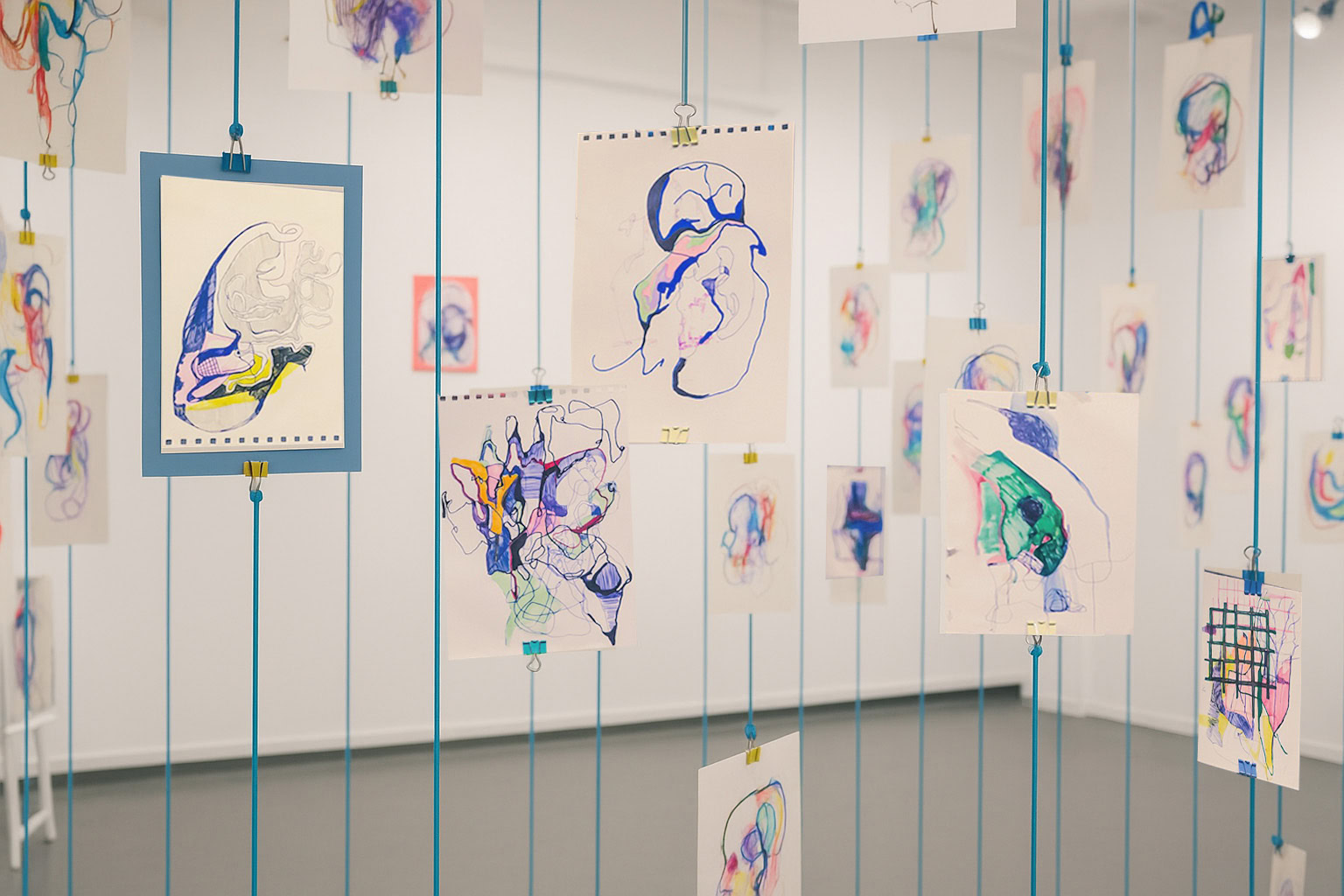
Can engagement with artistic objects and archival materials “unlock” our lost memories? This is precisely the question that the creators pose. The project’s primary theme concerns the intricate concepts of memory and nostalgia. The subject matter heavily relates to the experiences of those at risk of dementia and other cognitive disorders, and our societal responsibilities towards them. The exhibition displays an array of formats, from vivid, brightly-colored paintings to dynamic, chaotic installations.
The Szałfynster Foundation will present Ślady pamięci (Traces of Memory) as an exhibition and, additionally, as an organized series of activities for the local community to participate in. Operating in Katowice, the organization focuses on promoting art and culture, supporting local creators, and developing intergenerational bonds in its community.


Głodne drzewa/Thirsty Trees – Przemek Branas
Central Museum of Textiles in Łódź
The project title, Thirsty Trees, draws from the biological characteristics of eucalyptus. The plant greedily absorbs water, often at the expense of other species that are in turn displaced. It serves as a metaphor for human greed, the impact of empires on the natural world, and monocultural domination that devours diversity. The foremost object in Przemek Branas’s project is a curtain made of eucalyptus leaves, engaging the viewer visually and through their sense of smell. Above all, the piece explores the relationship between nature and humanity.
Branas has partnered with the Central Museum of Textiles in Łódź, a historically significant textile center which intertwines with the sewn-together feature of Thirsty Trees. The museum, which is the first of its kind, boasts the biggest collection of textiles in the world.


Tymczasowa pława – Norbert Delman
State Art Gallery in Sopot
Norbert Delman takes on the subject of ecocide in Tymczasowa pława (Temporary Buoy) through an elaborate sculptural installation. A sunken fishing boat is at the forefront, with a hull full of abstract, organic structures. Fragments of resinous amber are present in the crevices. The installation is not a literal depiction of ecological catastrophe, but rather an artist’s response to the looming reality of ecocide. Despair, helplessness, and a feeling of melancholia are among the emotional effects of this environmental crisis. In turn, the sculpture provides an opportunity to “pause” these emotions and reflect on what hope may be.
The Polish seaside, the city of Sopot in particular, is widely recognized as a key hub for amber, one of the materials in Delman’s installation. The fossilized tree sap is displayed on innumerable kiosks and in stores lining the streets of the city, especially the area surrounding the State Art Gallery in Sopot, where Delman will exhibit his work.


Alina Szapocznikow/Nairy Baghramian
Zachęta – National Gallery of Art, Warsaw
Works by the late avant-garde, renowned Polish-Jewish sculptor Alina Szapocznikow are juxtaposed in congruence with the works of Berlin-based Iranian visual artist Nairy Baghramian in this project. Baghramian creates across a wide range of media, including sculpture, installations, drawings, and photography. Sculptures, however, spearhead this project that poses contemporary societal quandaries. How can empathy, global responsibility, and mutual support be achieved in the spiraling cataclysms of modern society? The exhibition aims to contemplate humanity’s fragility and dependence on the natural world, as well as to reflect on social, cultural, and material structures.
Zachęta’s presentation will be Baghramian’s first in Poland. The artist has previously exhibited internationally, among others at the Metropolitan Museum of Art in New York, the Museum der Moderne in Salzburg, and multiple Biennales.

Walka na korzenie – Kornelia Dzikowska-Demirska
CSW Kronika in Bytom
Translating to A Battle to the Roots, Kornelia Dzikowska-Demirska’s submission involves a heavy atmosphere of irony. The exhibition addresses mainstream exploitative practices towards our ancestors and heritage, on both a personal and societal level. A variety of installations scrutinize class divides and the fetishization of family history for the sake of what is “fashionable.” Dzikowska-Demirska interprets the romanticization of working-class struggles in this surrealistic endeavor at the Kronika Center for Contemporary Art (CSW) in Bytom. The center, located in Poland’s Upper Silesia region, conducts critical, social, and educational activities.


Na nerwy. Zielniki pamięci i wspólnotowe praktyki ukojenia – Olga Borawska
Contemporary Art Gallery in Łomża
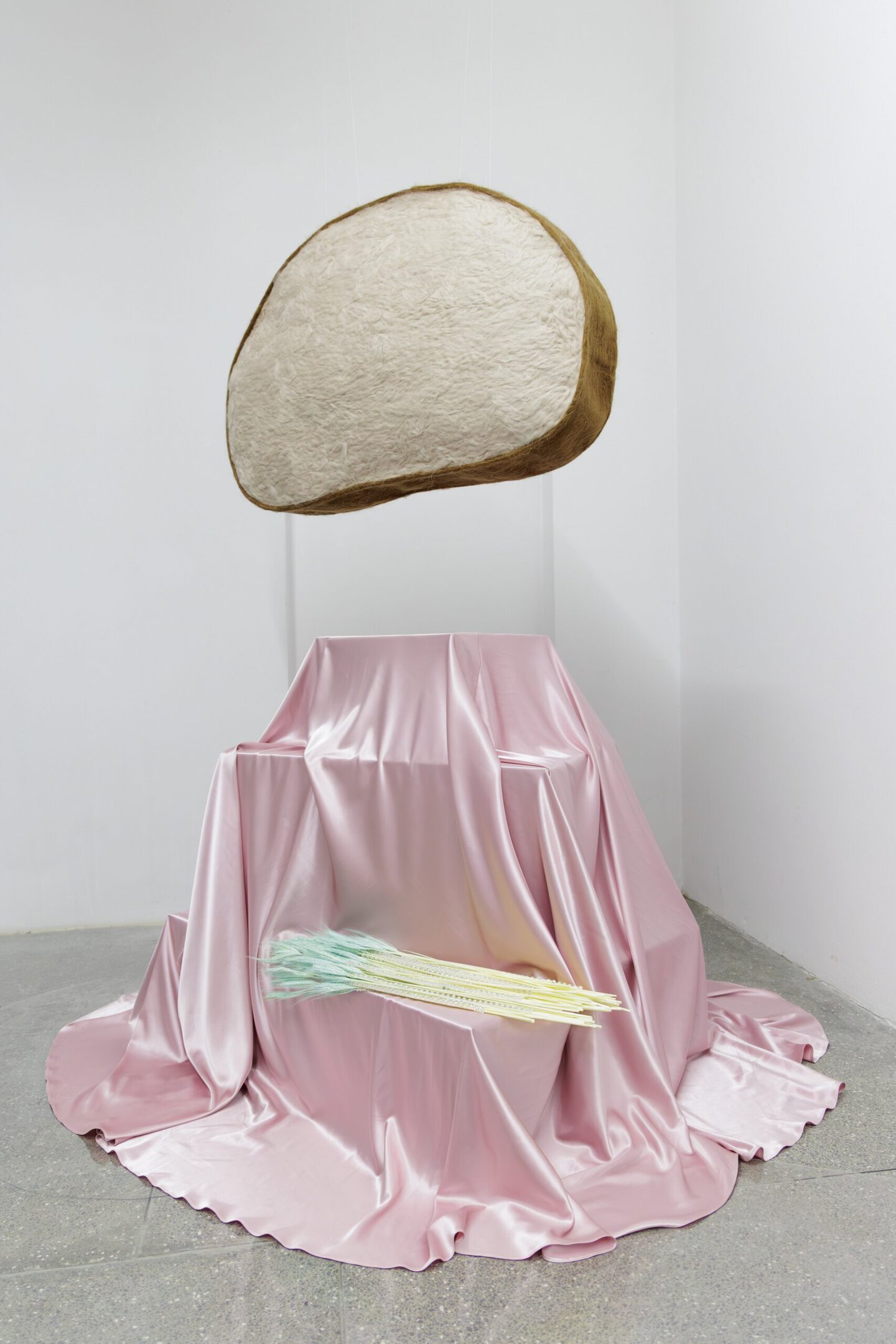
Scent, emotion, and memory are fundamentally intertwined – each smell evoking a unique reaction. An original scent leads Na nerwy. Zielniki pamięci i wspólnotowe praktyki ukojenia (For the Nerves. Herbariums of Memory and Communal Practices of Soothing) by visual artist Olga Borawska. Its unique nature was composed in collaboration with herbalists and ethnobotanists in order to form a certain “artistic archive.” In addition to the scent, the exhibition will display other formats such as drawings and sculptures. Bounding together art, education, and archives, the project revolves around relationships with local botanical knowledge in response to the modern, overwhelming crises of overload.


Ciało. Wierność wobec zmienności
H. Modrzejewska National Old Theatre in Kraków
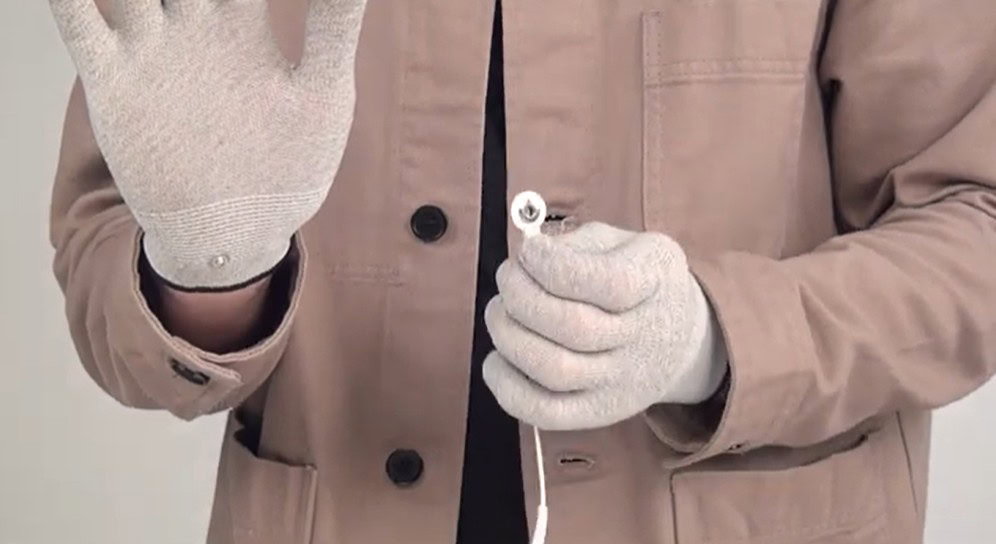
Ciało. Wierność wobec zmienności (Body. Faithfulness to Change) exhibition comes with an immersive, audiovisual experience. The project highlights the inaccessibility of public institutions. Although cultural institutions claim to be the most inclusive, this issue remains prevalent within them. The experience will simulate sensory, motor, or perceptual limitations chosen at random for each viewer. They will walk along a designated path, encountering accessibility barriers that many come into contact with on a daily basis. A multi-channel video installation accompanies the experience, containing recordings of the architectural and symbolic barriers of the National Old Theatre with statements from self-advocates.
Rewers – Paweł Bownik
Archaeology of Photography Foundation in Warsaw
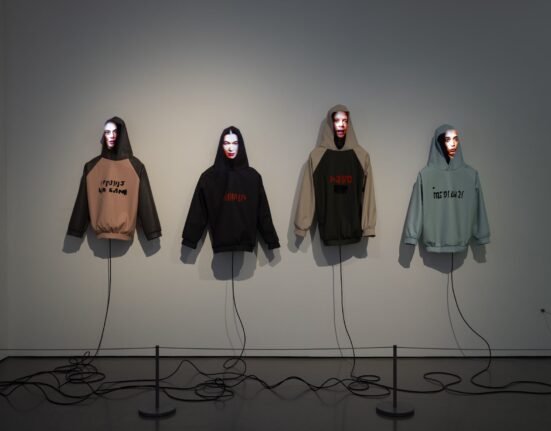
Paweł Bownik’s garment-based project tackles the lack of Romani representation in visual culture. The artist explores phenomena such as institutional exploitation and cultural appropriation that occur in museums through the acquisition of Romani clothing. He brings to light harmful stereotypes that museums often perpetuate when they create narratives that emphasize ethnic differences. Bownik “reverses” these Romani garments in order to analyze and criticize their stigmatization.
The exhibition aims to encourage intercultural dialogue, visually educate, and cultivate a space for deeper reflection on these practices. The artist works with the Archaeology of Photography Foundation in Warsaw, which is dedicated to studying, developing, and preserving archives of Polish photographers.

[ad_2]
Source link