[ad_1]
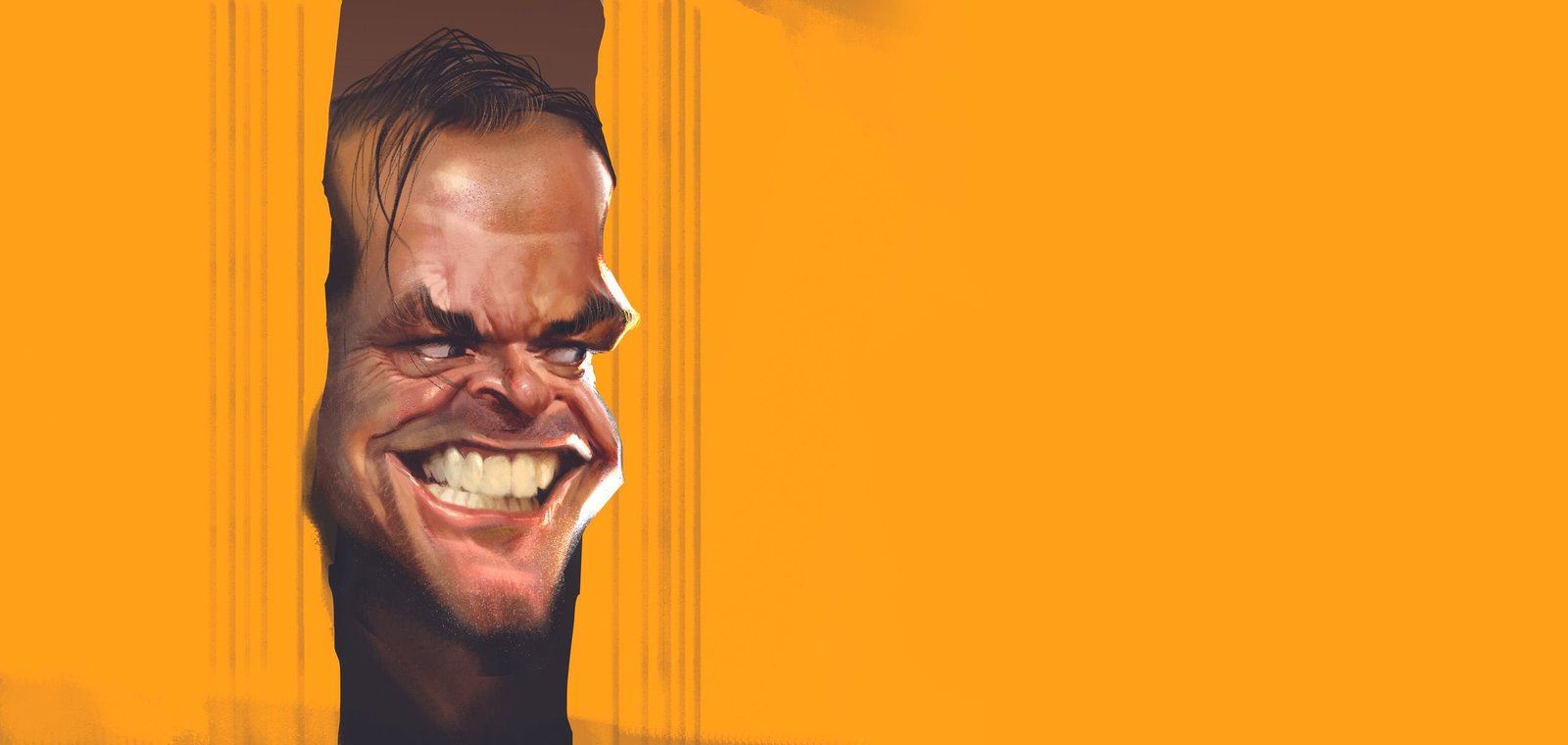
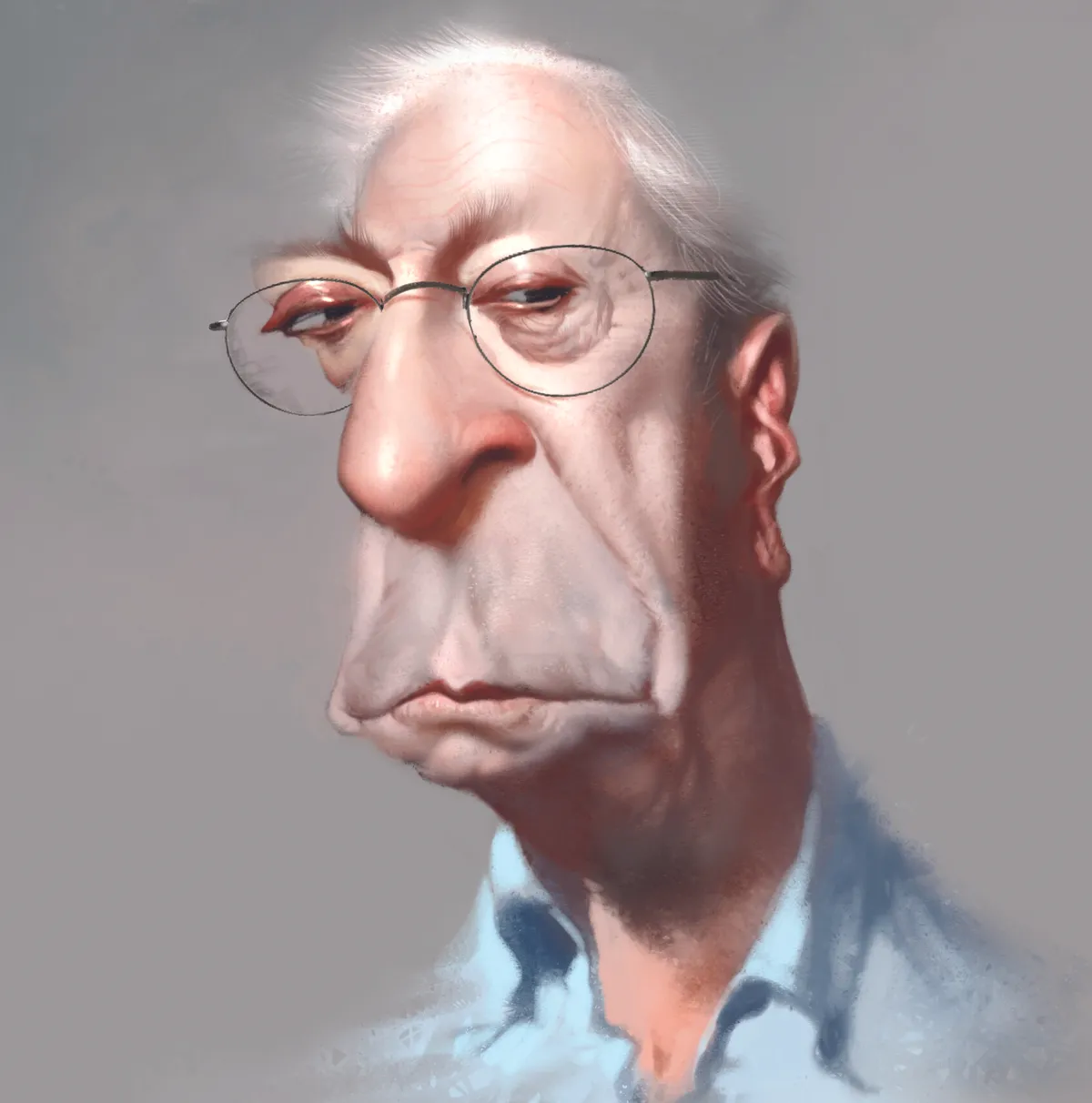
Luis Rojas is an artist from Lima, Peru, who has developed a unique caricature style. He cites Norman Rockwell, Aaron Blaise and Will Eisner as major inspirations, and while he now works a lot in Photoshop, his style is also heavily influenced by his background in oil painting.
We caught up with him to learn more about how he got started in art, what shaped the way he works and how he captures well-known faces with such a fresh way.
How did your journey as an artist begin?
I was an introverted kid, so the paper and pen were my best friends. I started drawing, and it was a really good way to start connecting with things that I saw through the window.
Did you study art and illustration in a more formal way?
I started learning oil painting when I was 17 years old. However, my learning wasn’t from an academy, but from informal ateliers. For me, it was a really good opportunity.
Here in Peru, art is really expensive to study: the materials, the social connections for the position that you can have, the time that you spend learning. But I knew what I wanted to do. I was painting and I was learning the fundamentals of anatomy, light, texturing, colour, and the canvas that are all so important. When I was going to be a painter, I was learning from still life.
After that, I was doing portraits. The base of my caricature work is the portrait – the realistic portrait. Artists ask me ‘Why do your caricatures look like oil paintings? What is your technique?’ It’s because my base is in oil painting.
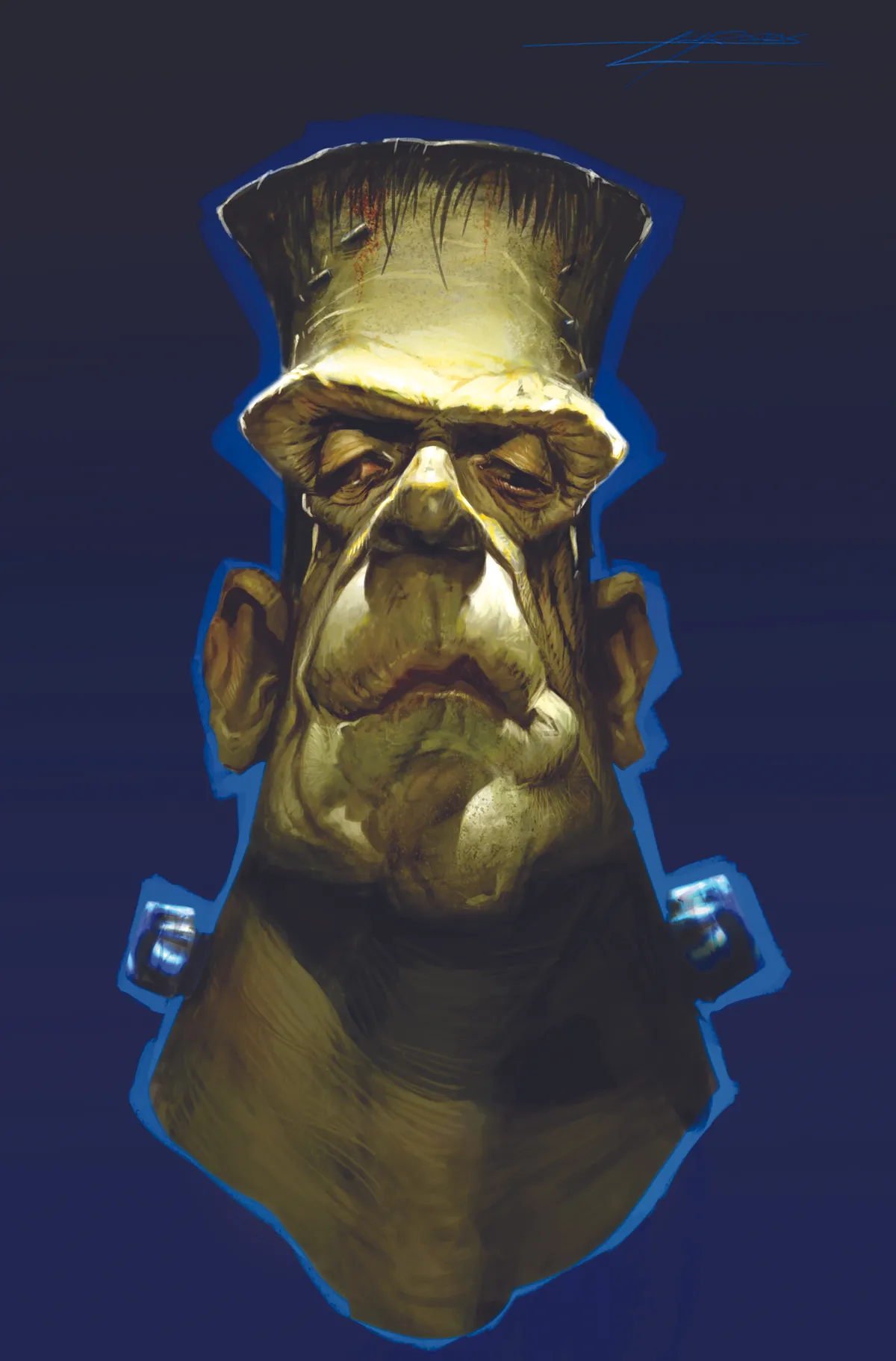
What does the art of caricature give you as a form of creative expression?
I was never really attached to realism. Some artists say that doing realistic things is boring. I don’t think so. I think that the caricature gives you the opportunity to create another level of realism. This I call super realism.
It’s like fantasy. Fantasy is most important when you want to do art, and fantasy is always connected with human nature. When we’re kids, we’re fantasising about the world. The caricature is like taking that average reality to create another reality – the super-reality.
Caricature creates something that you’re feeling, and that makes you read what you see as beyond realistic proportion. But you can see the expression and something that’s connecting and communicating.
How does an understanding of anatomy contribute to your caricature portraits?
I’m really concerned about anatomy. First of all, everyone is reading anatomy; it’s just like how everyone reads emotion through facial features. We’re all experts in how we read emotions by the way our muscles are moving, how they’re working. As artists, we can represent them with lines, and that takes experience. It takes time to do that representation on paper, with a pen or with a brush. And it’s so important.
Anatomy is something that’s complementary with perspective. Then, later in the process, even if you’re working in grey, or black and white, or colours, you need to understand how light works because, finally, light creates the volume and creates the sense of distance.
Our eyes are the tool to understand how the fundamentals work together, and that understanding creates an immersive experience, allowing us to feel what we are seeing. And that’s amazing.
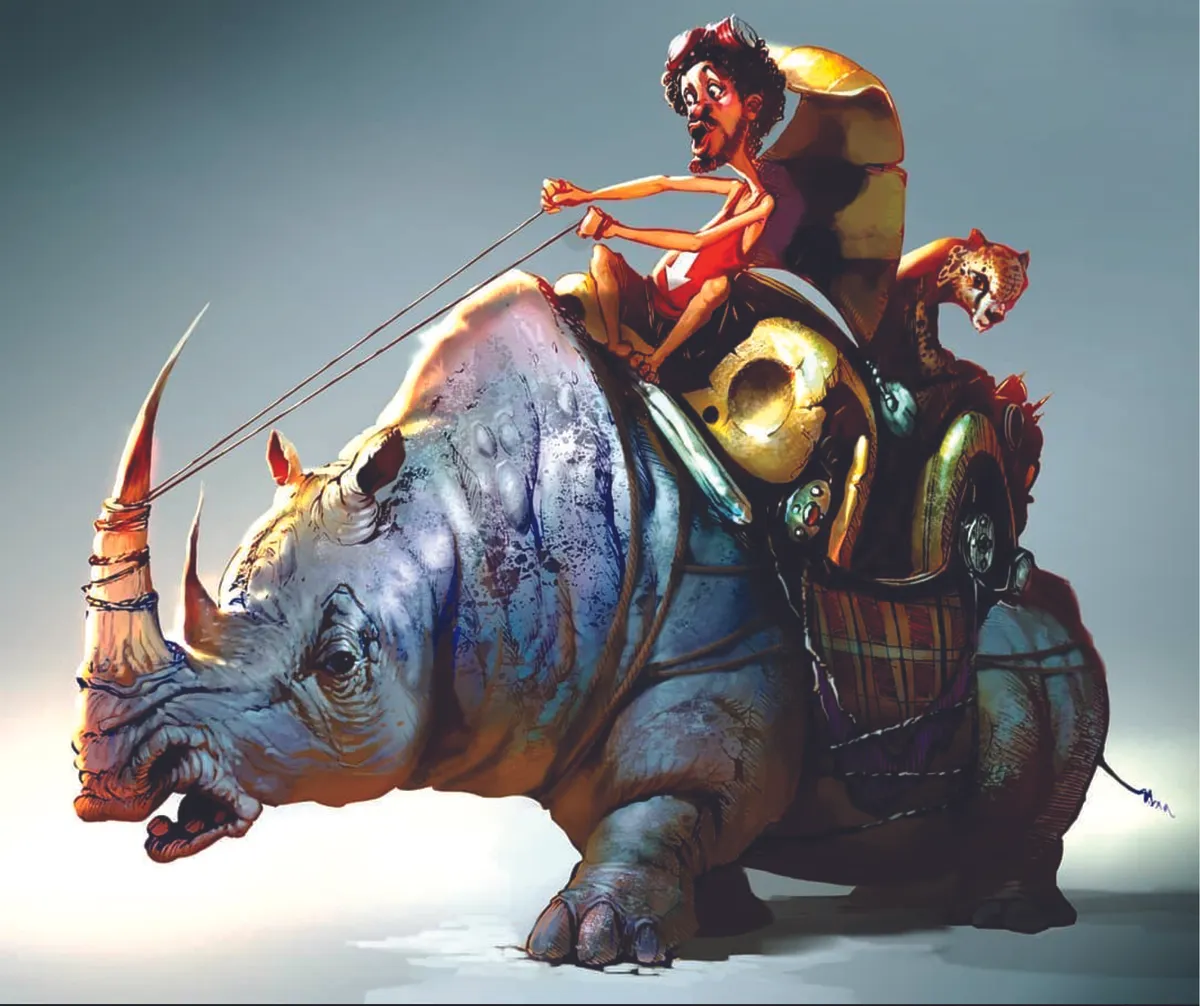
Could you talk us through your picture-making process?
First of all, there’s always the observation. In the beginning, the most important process is observation because this gives you the sensation. I’ll be feeling nervous. I never know what I’m going to do or how it’s going to end.
Secondly is the sketching. And there’s not just one sketch. I can do 20 sketches. You’re retouching all the time and you’re fixing what you’re doing. Just like a sculptor, I’m going from the big size to the smaller size. I clean the drawing in the sketch. When I’m creating, I include force lines, and that’s so important.
I also restructure and refine proportions. I’m always working with edges that coordinate because they’re the perfect guide. Also, if you place the light source in the wrong direction, the expression can be missed. So where you’re going to focus your light is important.
That’s something Norman Rockwell was always working with. It’s like Leonardo da Vinci said: we’re not painting things, we’re painting the light.
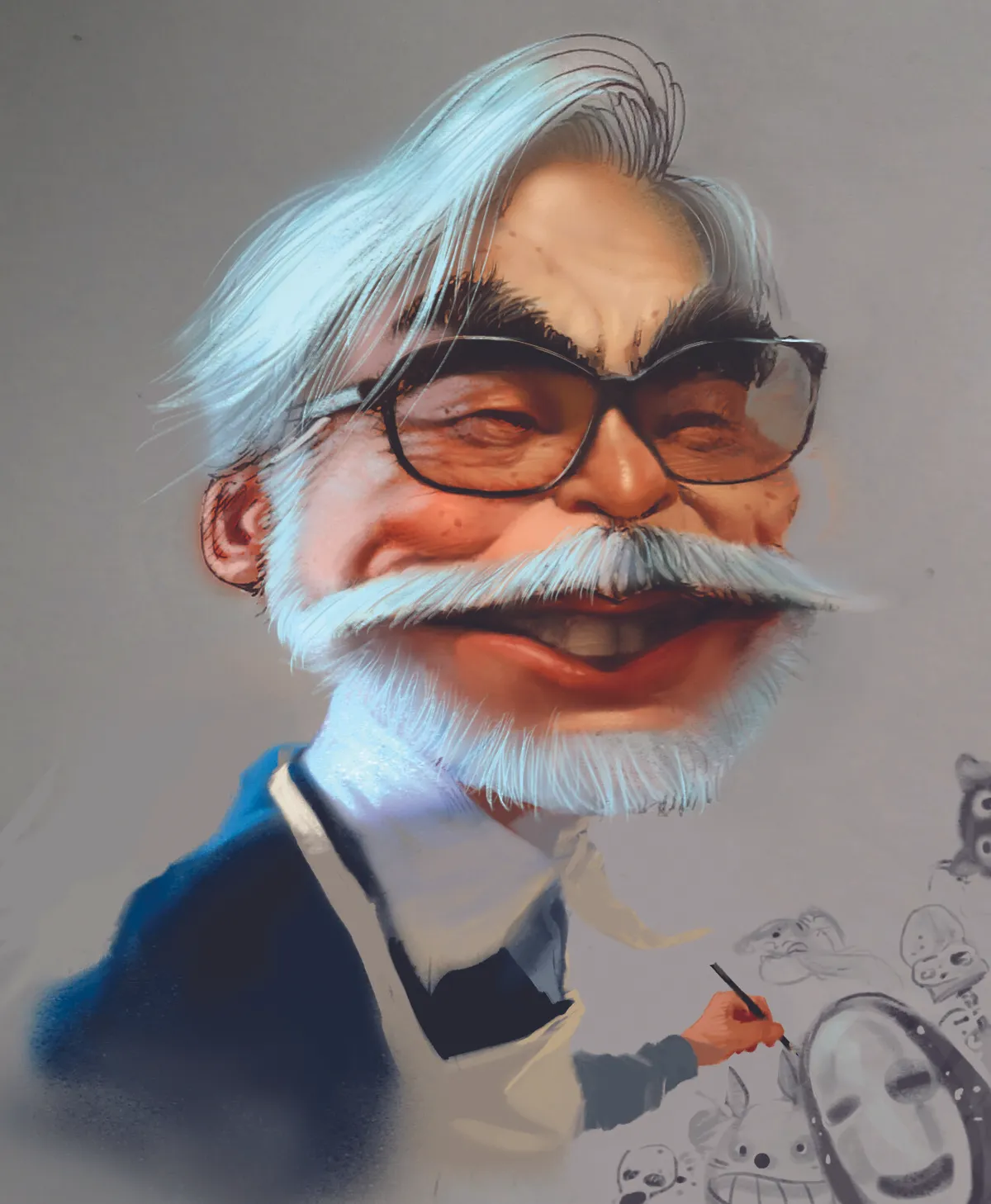
The decisions that you’re going to make are going to make all the difference to what you’re seeing. It’s not like forcing yourself to be genuine. It’s not like that at all. It’s more like choosing what you want to do because you’re connected with what you’re doing. It’s about taking risks. Art is about taking risks and making decisions. And that’s amazing, because it’s an experience that never ends.

Finally, I can go through the little details and elements like the clothes. Those things are so important because they’re telling us something of the storytelling and the total image. When Norman Rockwell was creating his paintings and his illustrations, he was putting a lot of emphasis on movement. And the details are creating the sense of movement.”
Do you work with pencil and paper or entirely with digital tools?
I use paper, and then I can take a scan of my finished work. I can take a picture or scan it later, you know, because I feel more free working on paper. It’s more organic, and it feels much more natural to me. But I am comfortable with Photoshop. I work for eight hours every day. This is part of my life.
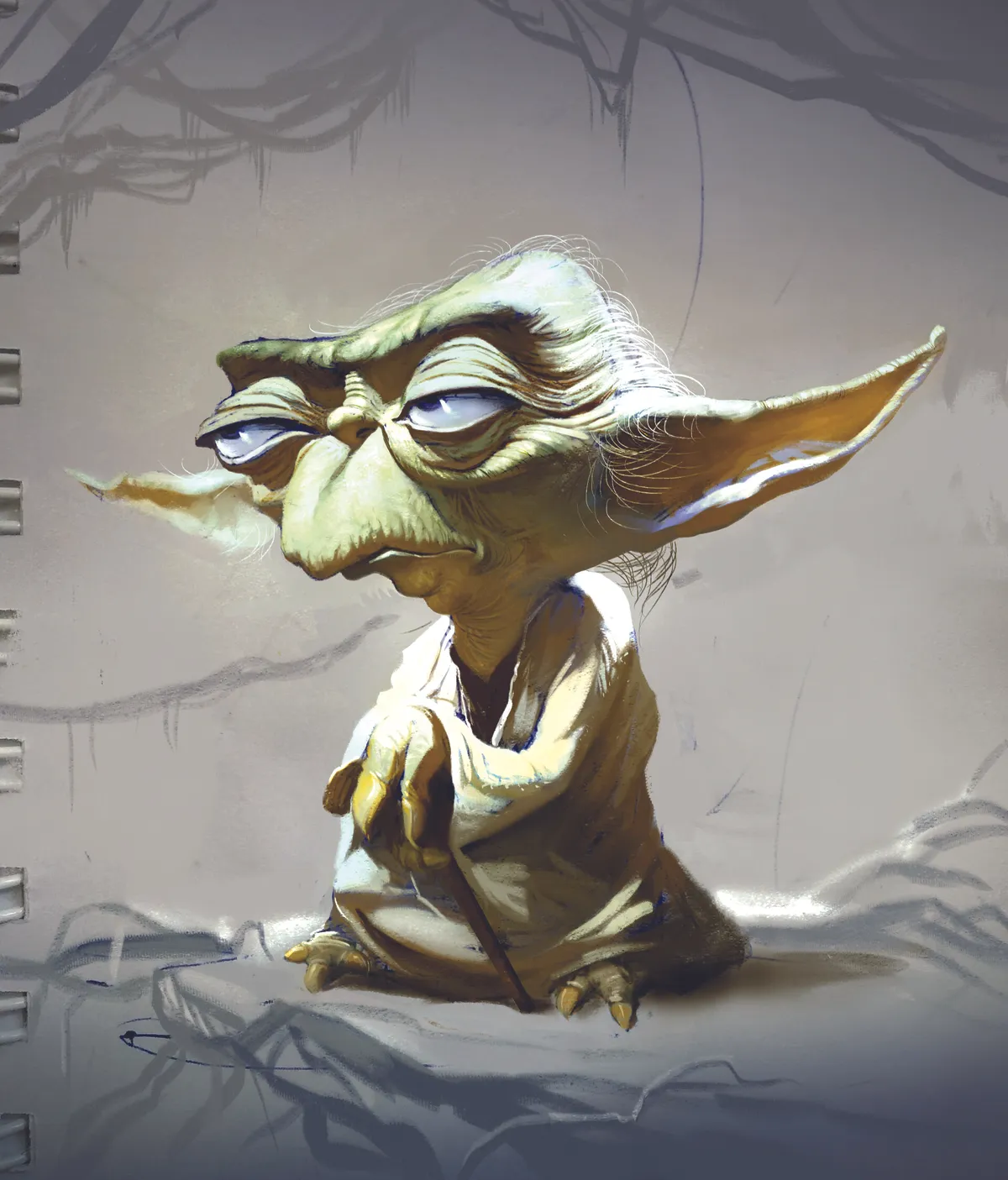
What artists were a big influence on you?
There’s an expression that says that everything is connected. And when you create art, everything is a strong reinforcing of what you’re choosing to do. Norman Rockwell was one very strong influence for me in choosing to do caricatures.
But another influence is Aaron Blaise, an absolutely phenomenal artist from the US. His animals are characters. It’s really amazing that by drawing animals, you can express human emotions so well. Animals are just like humans. It’s universal. We can feel through Blaise’s representations that emotion is everywhere, and that’s something that teaches me a lot.
For example, I can understand how a plant is bending and giving us a sensation of emotion, telling us the feeling of the moment. I’m working with a lot of respect when I’m doing a caricature and when I’m drawing animals. For me, the most important thing is expressing emotion.
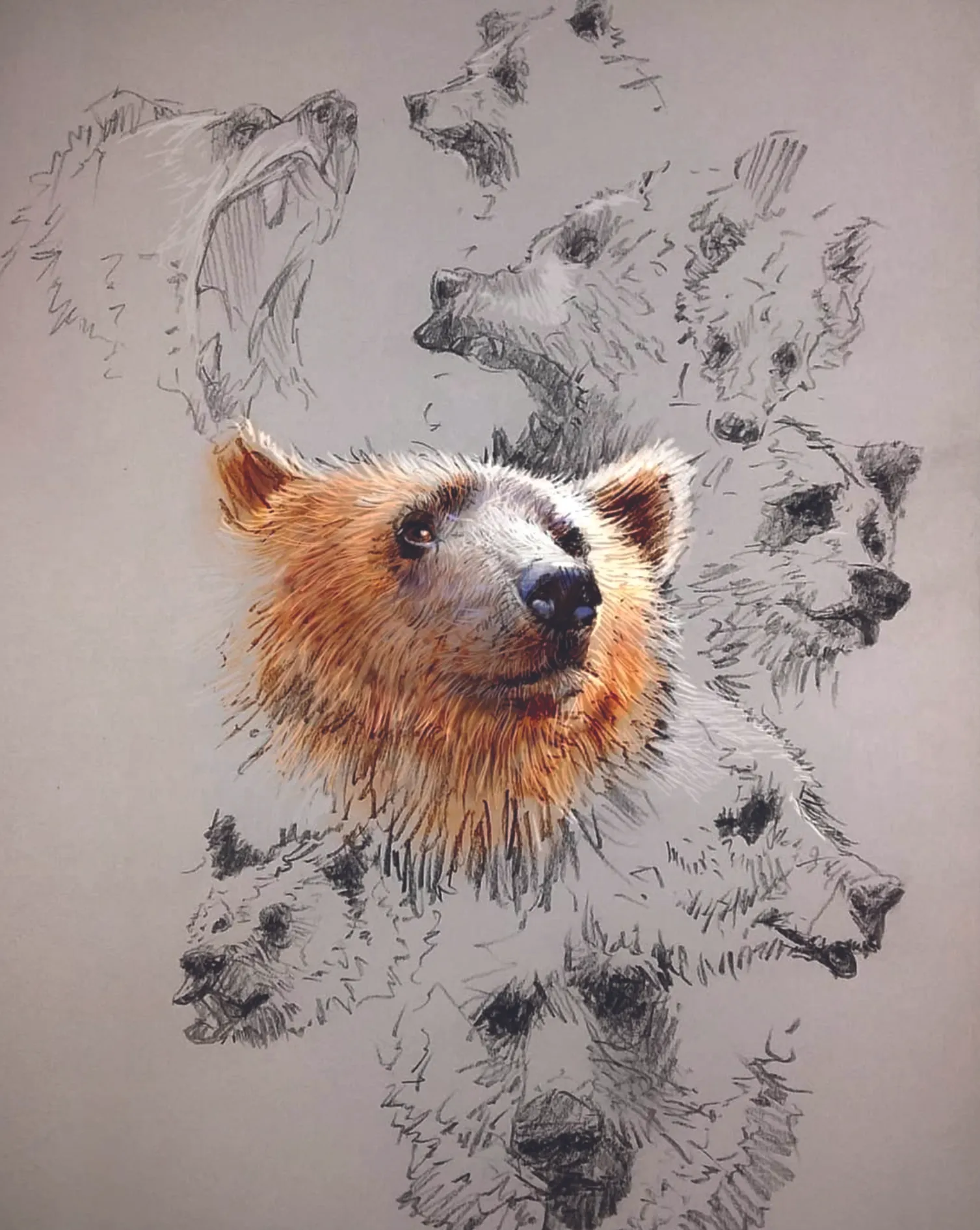
Image credit: Luis Rojas
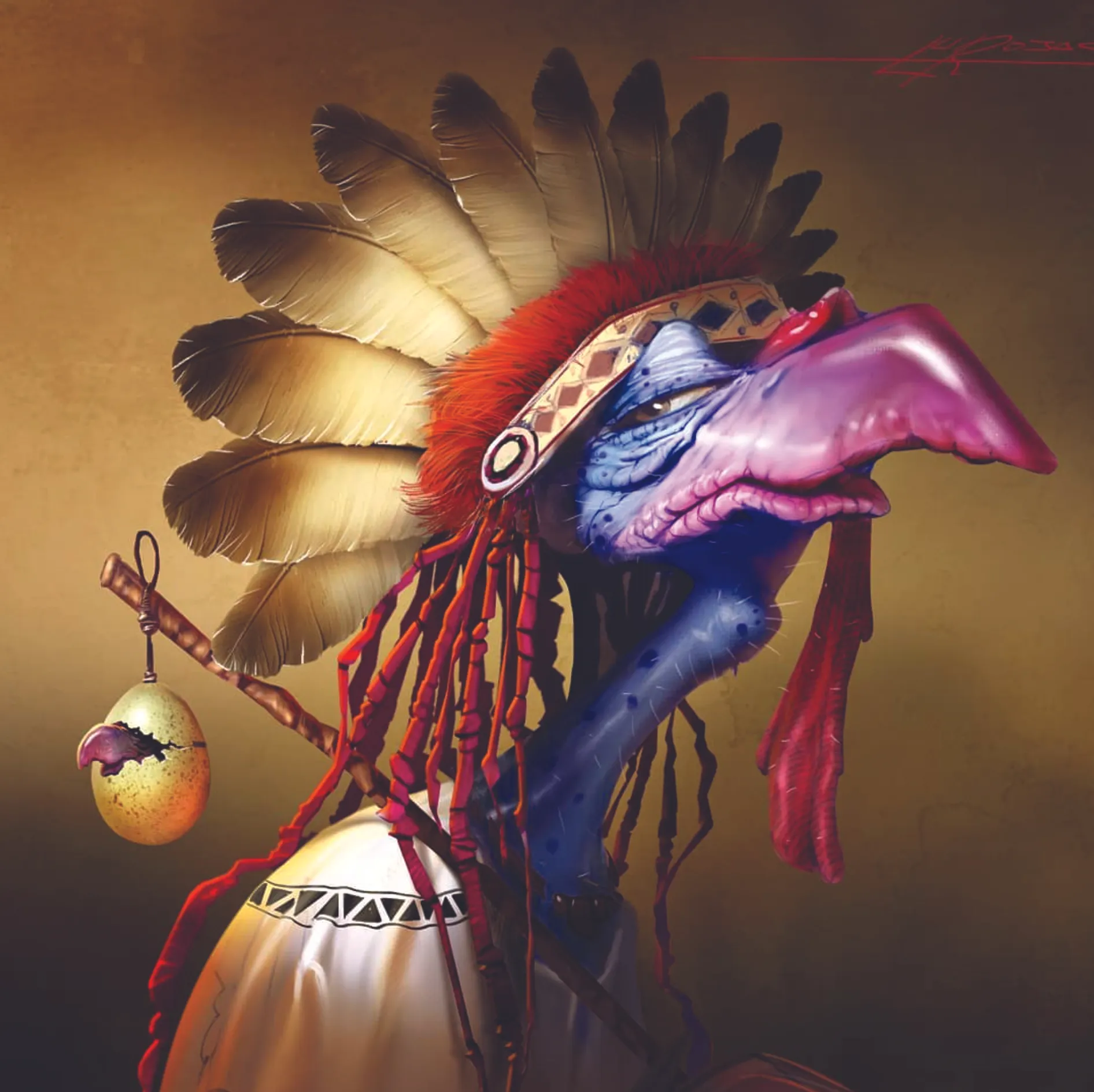
Image credit: Luis Rojas
What are the challenges of working in caricature?
For me, every caricature that I create is a challenge, but at some point, for me, creating realistic expression is kind of simple in some way.
I will use this example: you know the song With a Little Help from My Friends? You hear the original version from The Beatles, and then when you hear the version from Joe Cocker, it’s a totally different song. Working in caricature is exactly the same thing.
You see the reference that you’re taking. But when you see the caricature, it’s not quite the person, but it seems more realistic. It seems more lifelike. And that is the most challenging thing that you can hit when you’re doing a caricature. At least for me, it’s the most difficult.
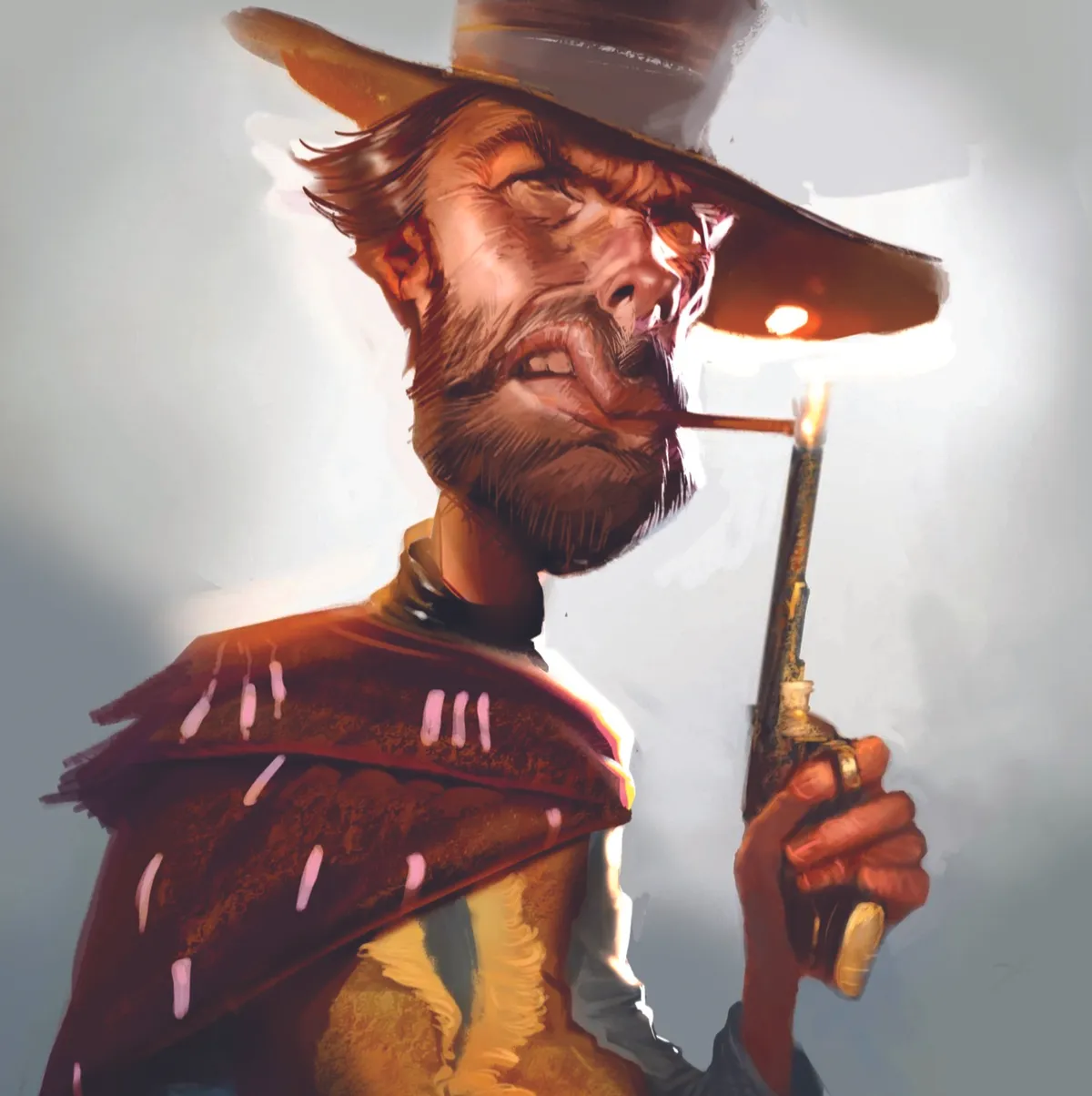
What are opportunities like for illustrators and artists in Peru?
We have a movement, and I think it’s growing. We have growing areas that are giving more opportunities. It’s giving young artists many more opportunities, for example in video games and animation.
Also, I can see that there are opportunities for comic illustrators. It’s interconnection that’s happening now, and that’s good
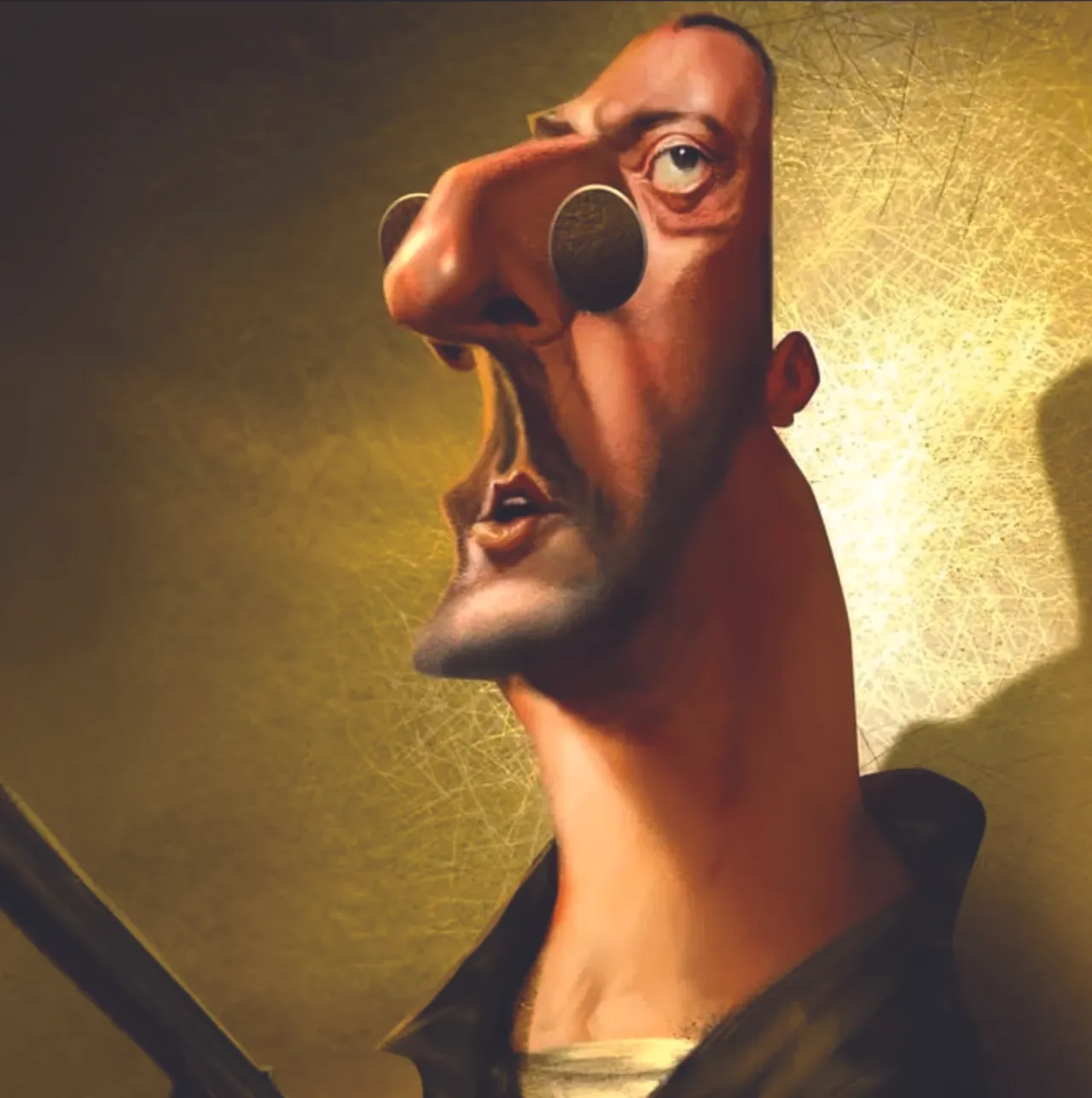
Jean Reno
Image credit: Luis Rojas
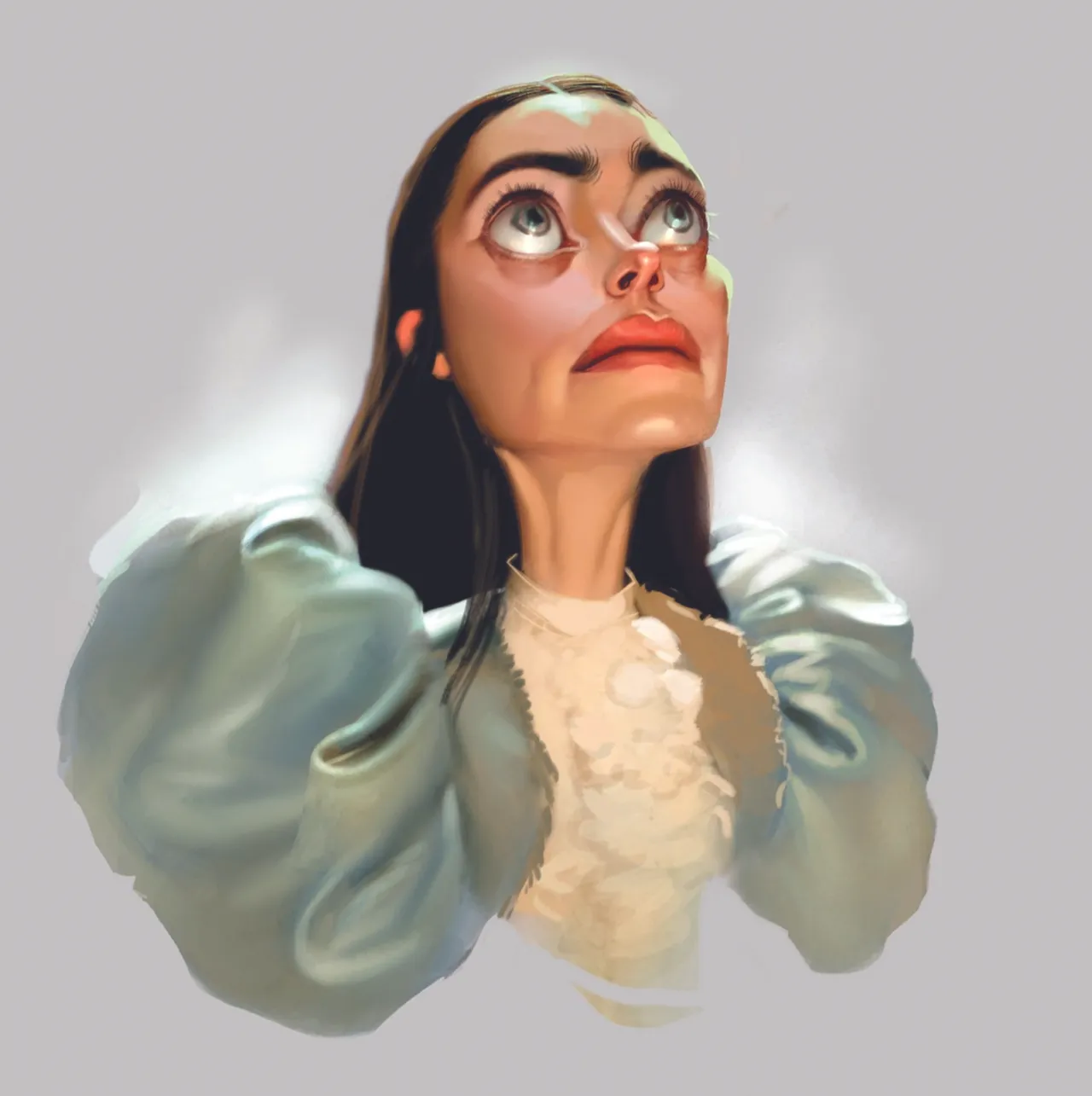
Emma Stone
Image credit: Luis Rojas
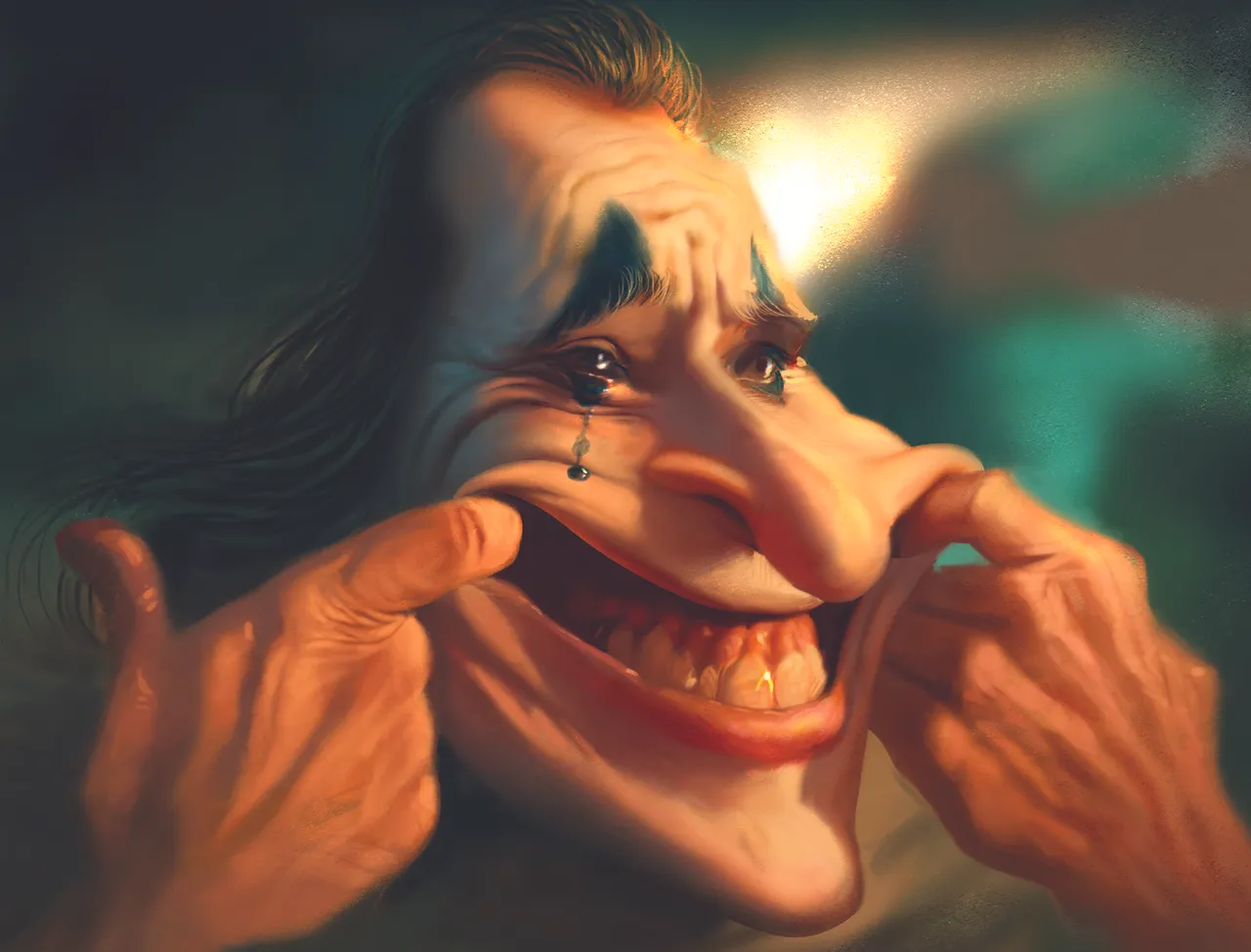
Joaquin Phoenix as Joker
Image credit: Luis Rojas
What makes a work of art human?
I think that we’re in a really amazing age. We’re in strong competition with artificial intelligence, because AI is creating images in just a few seconds. But at some point, those images are soulless.
One imperfect drawing could have a lot of soul. And that’s another important thing that I take from my experience. It’s important to never give up when you make a mistake when you’re doing art. Your mistakes help you to keep growing.
I keep learning. And that’s something that we’re forgetting: that mistakes are what defines human beings. Human beings are like artists. Every artist feels like a special human being, but actually every human being is a special kind of artist. I say this because artists can be everything. We are in some way humble enough to keep learning. You know, it’s so important to never give up if you make a mistake
[ad_2]
Source link