[ad_1]
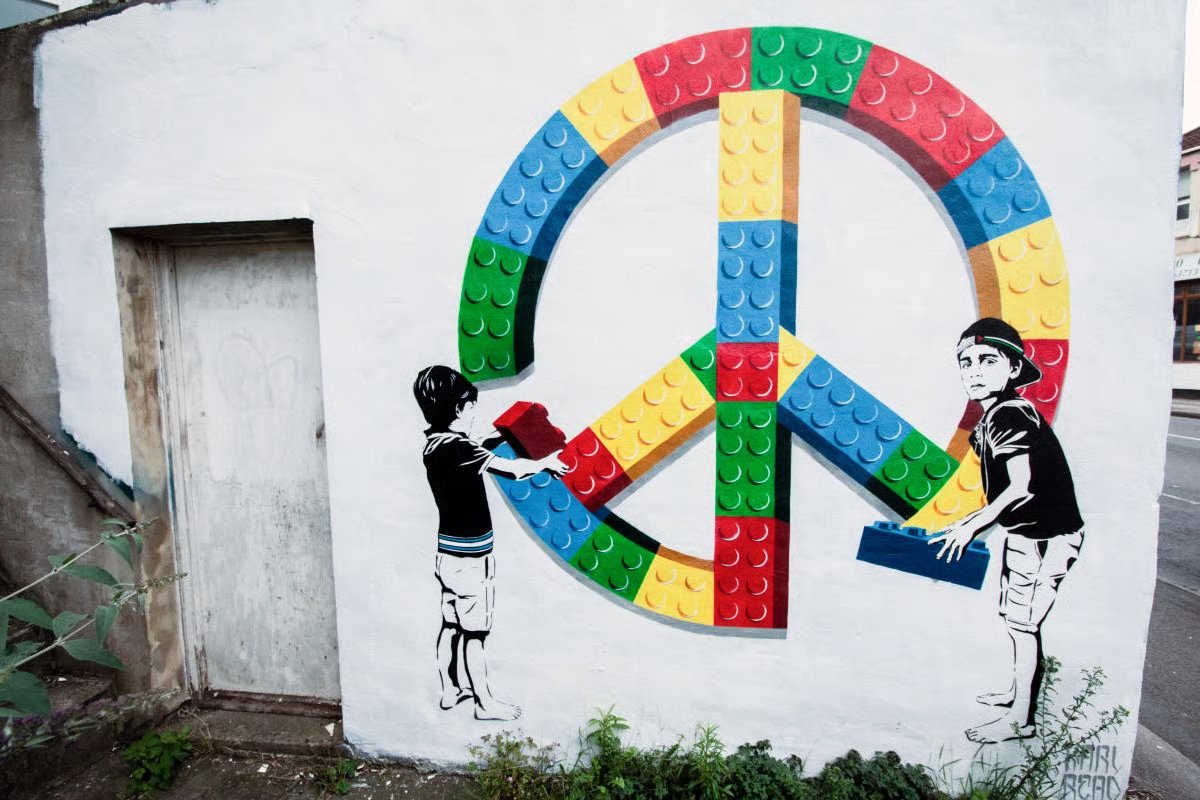
Art UK has finished a project to record and digitise public murals across the UK, bringing the total number of outdoor works on the website to more than 21,000.
Launched in January 2024 and funded primarily by the National Lottery Heritage Fund, the Art UK Murals Digitisation and Engagement programme set out to document 5,000 artworks, but exceeded this by some 1,600 pieces.
The project saw Art UK’s public art volunteer network record and photograph more than 6,600 pieces for the website over two years, providing an “unprecedented cultural snapshot” of the UK’s public murals.
The programme builds on the national art charity’s sculpture digitisation project, continuing its mission to ensure publicly commissioned art is available to everyone online.
Art UK drew themes from the findings, noting that 19% of the recorded murals are commemorative, depicting the likes of national events and protest movements, while 23% contained animals.
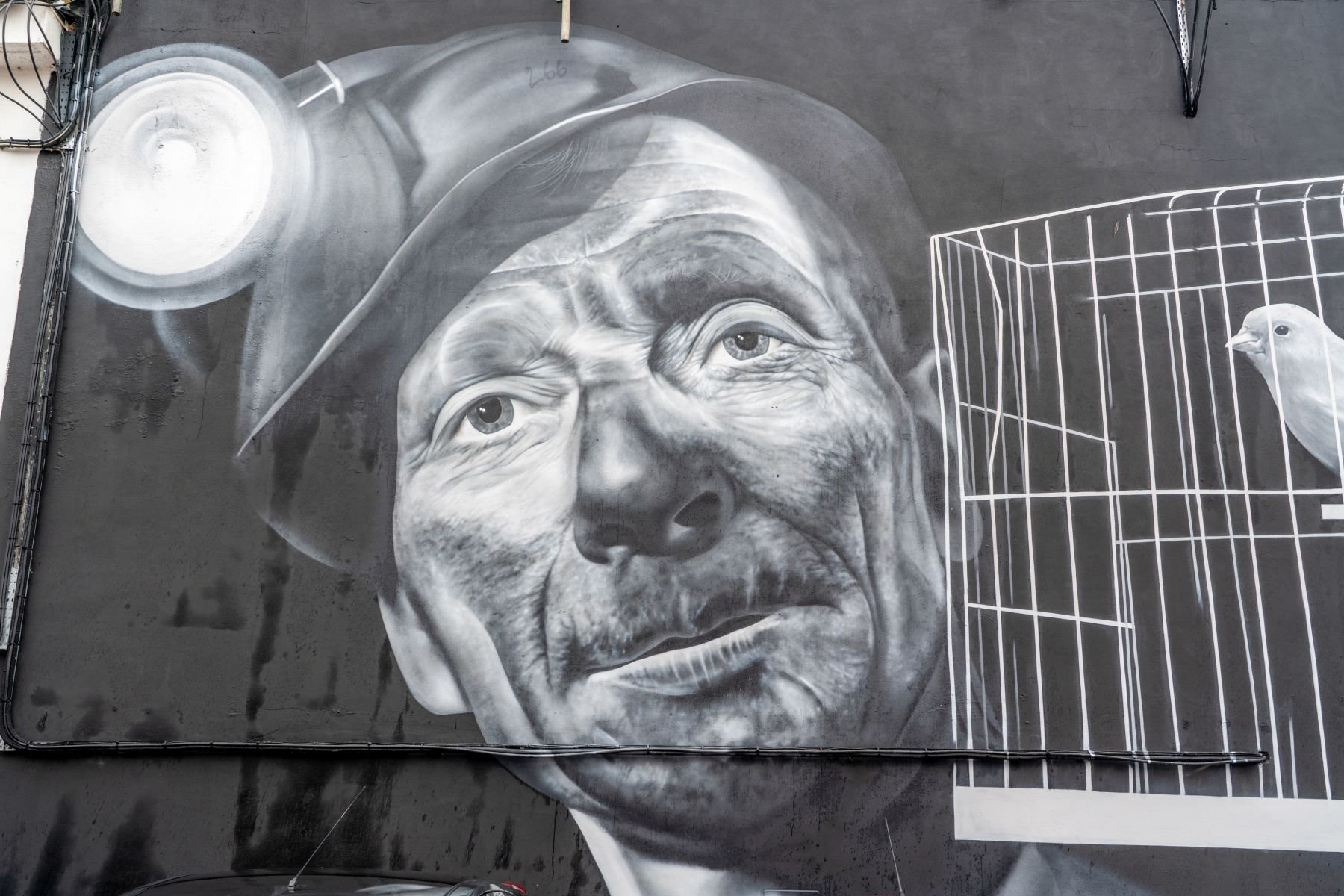
Around 11% of the public artworks digitised reflect heritage and industry, recalling the manufacture of coal, steel and pottery.
Continues below…
Other key concerns depicted cover nature, climate and societal cohesion.
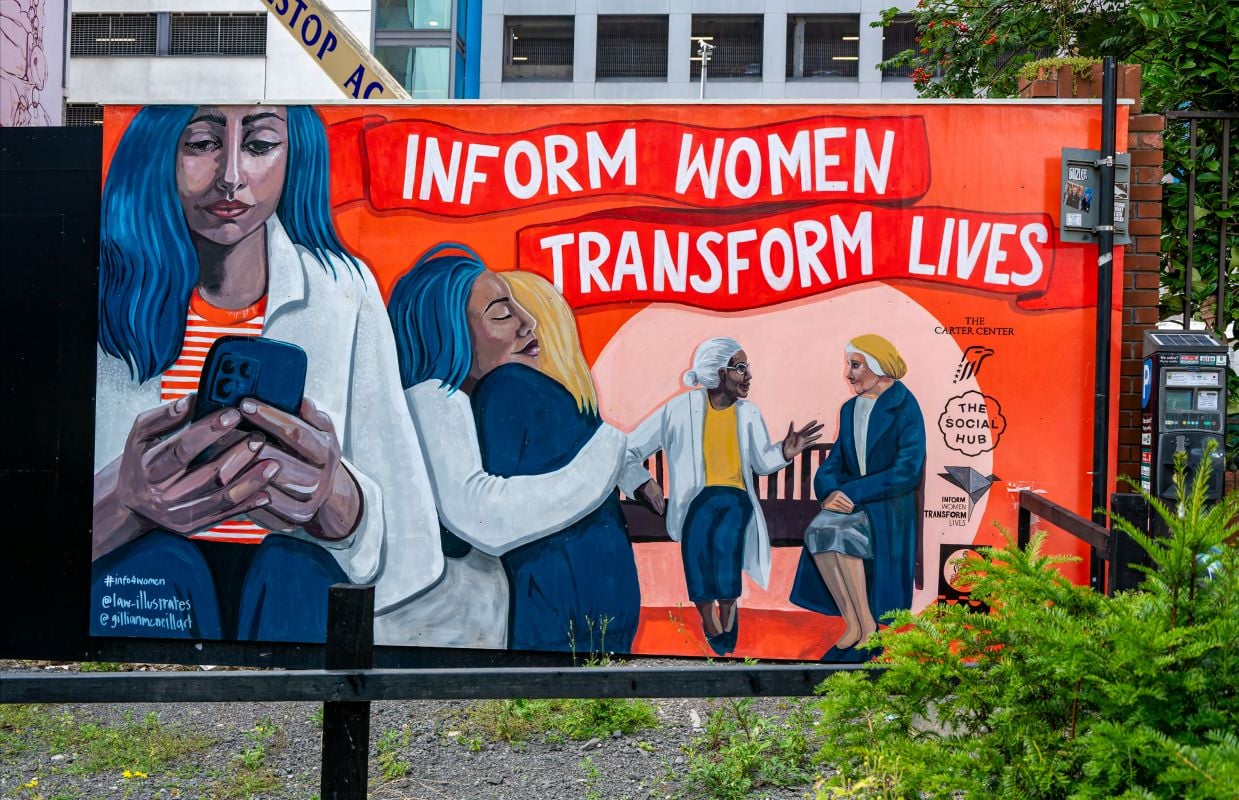
The project also highlighted disparities and opportunities in representation, with more named men pictured than women, though murals show greater diversity than public sculpture, better representing individuals from the global majority.
Art UK’s chief executive Andrew Ellis said the volunteers, who contributed nearly 5,500 hours to photograph murals in person, had “once again achieved something extraordinary”.
He said: “Their dedication has allowed us to make an invaluable record of
one of the most accessible and democratic art forms, one we encounter almost every day in urban Britain, brightening our lives and provoking discussion.”
Continues below…
‘Safer, more welcoming environments’
The project digitised both formally commissioned works alongside non-commissioned art, noting that it coincided with a “major rise” in muralism across the UK.
It found that a once largely subversive artform is now widely commissioned by councils and business improvement districts to re-energise town centres and reduce graffiti tagging.
Art UK also cited research showing murals can help create “safer, more welcoming environments” while “stimulating the local economy”.
Meanwhile, the number of UK street art festivals, such as the London Mural festival and Concrete Canvas in Chelmsford, is on the rise.
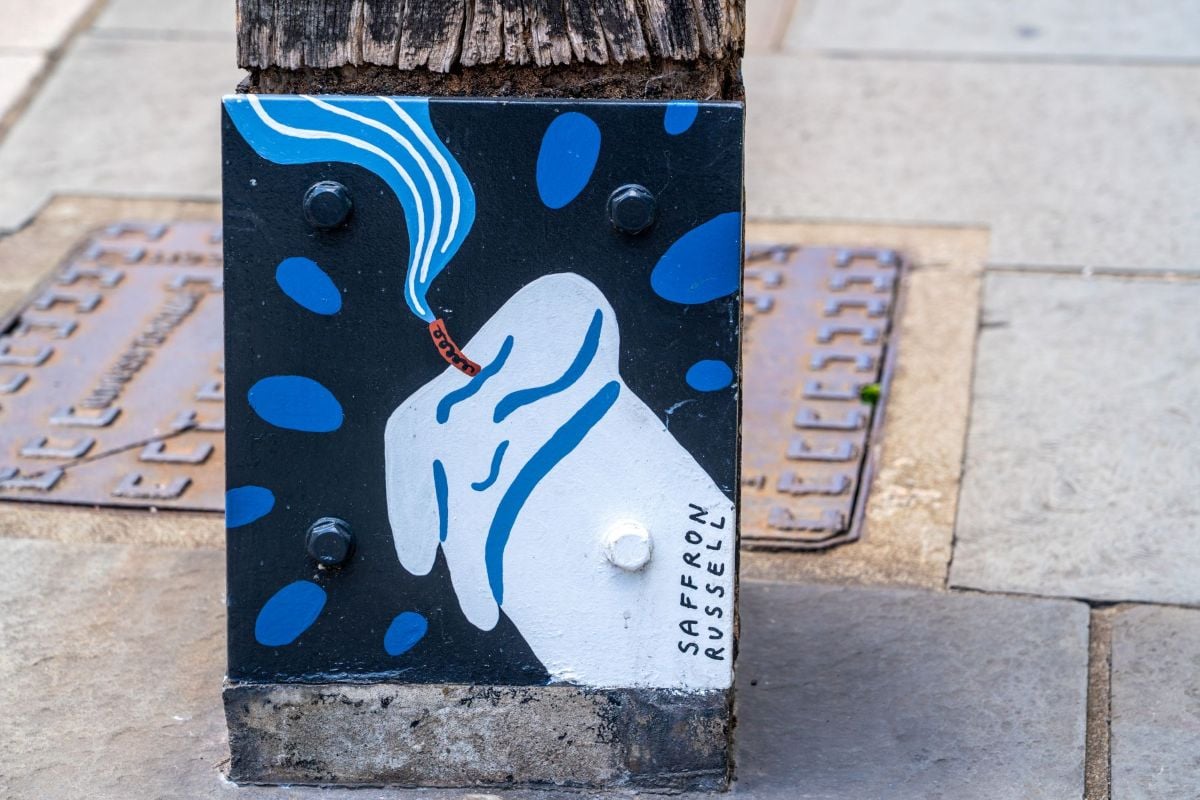
The digitisation programme captured artworks of all scales and mediums, ranging from a 16-storey abstract mosaic in Gosport, Hampshire to a 50cm-high artwork of a man walking on a utility box in Aberdeen and a series of mini murals across five bollards in Shrewsbury.
Continues below…
The oldest digitised works include a medieval church wall paintings cared for by the Churches Conservation Trust.
Deputy chief executive and director of community engagement at Art UK Katey Goodwin said the project captured “a remarkable moment in time”.
“Public murals reflect who we are, our heritage, our concerns, our humour and our creativity,” she said. “Thanks to our volunteers and our funders, we now have a lasting public record of works that are often fleeting, and sometimes under threat.”
Looking ahead, the art charity aims to add more murals which are located inside buildings from collections such as the National Trust and Historic Royal Palaces.
[ad_2]
Source link