[ad_1]
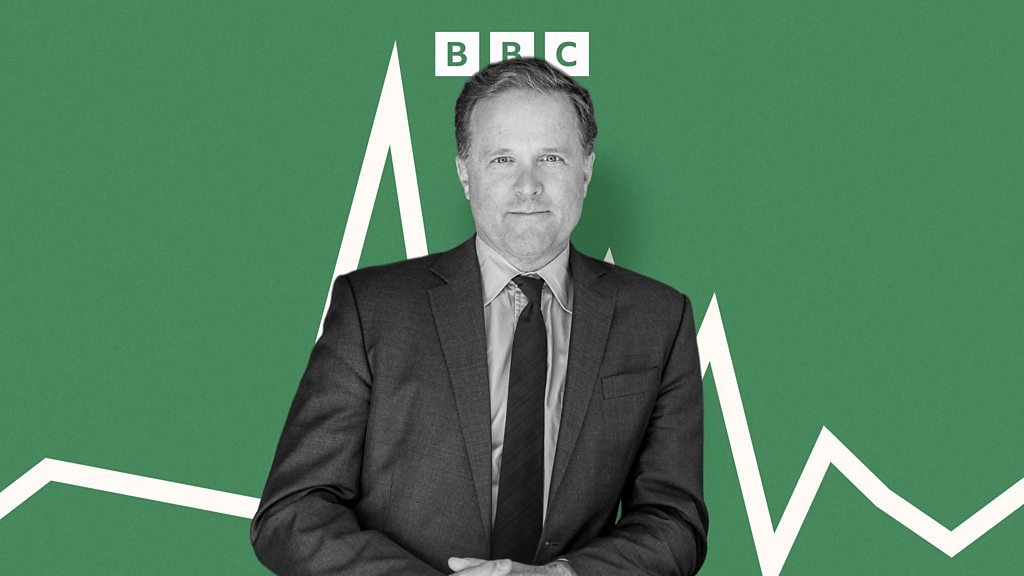
Charles Stewart, chief executive of Sotheby’s, joins the Big Boss Interview and discusses the scrutiny facing the art market over money laundering, the growth of digital art and NFTs, the expansion of sports collectibles, and how the conflict in the Middle East could affect the industry.
Stewart, who previously served as chief executive of a small bank before joining Sotheby’s, describes the characterisation of the industry as working with illicit money as a “misjudged notion”. He argues the company’s client base consists largely of established collectors, museum trustees and philanthropists who buy works to live with them rather than to obscure wealth.
Russian buyers — often cited in discussions about opaque art transactions — represented less than 1% of Sotheby’s global business when sanctions were imposed following the invasion of Ukraine, he says, challenging assumptions about the role of Russian money in the market.
Geopolitics is also shaping the art market. The Middle East has become an increasingly important region for Sotheby’s, with auctions in Riyadh and Abu Dhabi reflecting years of market development across the Gulf. Stewart says the company’s immediate priority amid escalating regional tensions is the safety of staff working there, though he notes market reaction to the latest conflict has so far been “somewhat muted”.
Stewart notes that countries including the United Arab Emirates, Qatar and Saudi Arabia are investing heavily in cultural infrastructure as part of longer-term economic diversification strategies. Institutions such as the Louvre Abu Dhabi — open for nearly a decade — and the forthcoming Guggenheim Abu Dhabi form part of plans to establish new global cultural destinations.
Despite these shifts, London remains central to Sotheby’s global operations. The company’s New Bond Street headquarters reflects more than 280 years of British heritage and the city continues to function as Sotheby’s second-largest sales centre after New York. A recent London auction achieved a 100% sell-through rate with bidders from 40 countries, demonstrating sustained international participation despite post-Brexit complications around import and export logistics.
The conversation also examines how technology is changing the art market. Stewart argues digital art represents a natural evolution in artistic practice rather than simply a speculative phenomenon linked to the boom and collapse of NFTs. He distinguishes between cryptocurrency speculation, the blockchain technology underlying NFTs, and the broader creative shift as artists adopt digital tools.
Sports memorabilia has also become a growing category for Sotheby’s. The market now extends beyond historic trophies and medals to include game-worn shirts and collectibles authenticated through technology that can match items to specific moments in matches. Stewart attributes the expansion partly to generational wealth transfer and to younger collectors’ interest in pre-owned objects with personal and cultural significance.
Presenter: Sean Farrington
Producer: Olie D’Albertanson
Editor: Henry Jones
02:12 – Middle East conflict impact
15:30 – Anti-Money laundering regulations
17:29 – Russian sanctions
19:30 – “Misguided Notion” of art world bad behaviour
23:34 – Digital Art as natural evolution
29:30 – Sports memorabilia growth
[ad_2]
Source link